tl;dr
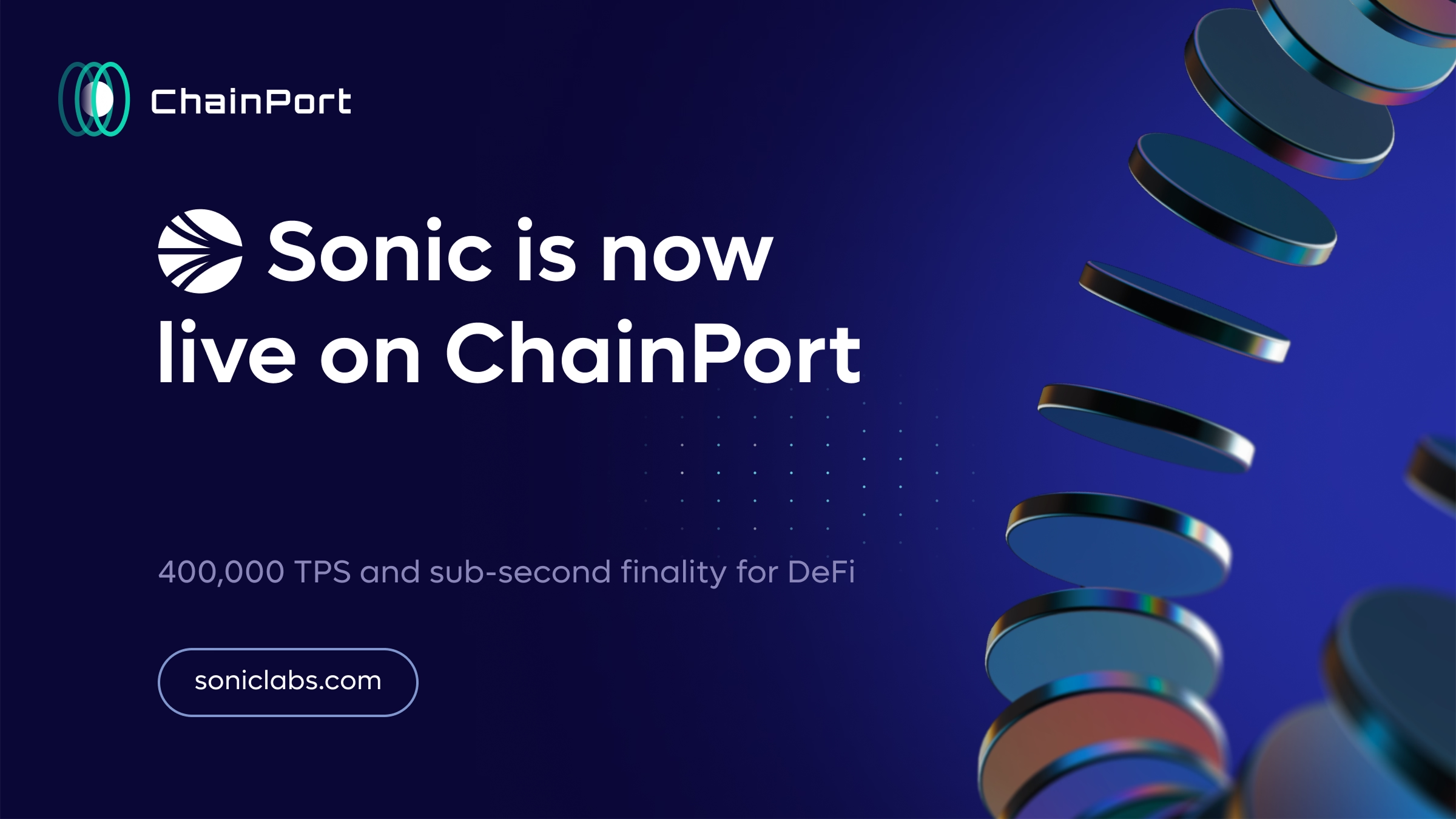
- ChainPort now supports Sonic, the high-throughput EVM L1 built for DeFi with 400,000 TPS and sub-second finality.
- Bridge any supported token to Sonic from Ethereum, BNB Chain, Polygon, Arbitrum, Base, and more.
- Aave V3, Beets, Shadow Exchange, and Silo V2 are live. Bridge in and start immediately.
Sonic is built for speed. 400,000 transactions per second and finality under one second, not as a theoretical benchmark, but as the actual environment your transactions run in. That distinction matters more than it might sound. A lot of chains quote performance numbers that only hold under ideal, lightly-loaded conditions. Sonic's architecture was designed from the ground up to sustain that throughput, which is why protocols with real volume chose to build or migrate there. For DeFi applications where timing matters, that's a real difference from most EVM L1s.
The chain is fully EVM-compatible, so existing smart contracts, wallets, and tooling carry over without a rewrite. If you've used Ethereum or any EVM chain before, you already know how to use Sonic. The only thing that changes is how fast things move and how little it costs. Transactions run at fractions of a cent, under $0.001 in most cases.
The ecosystem reflects it. Aave V3 is live on Sonic with over $13M in TVL. Beets brought its liquidity infrastructure over, including weighted pools and boosted yield strategies that reward liquidity providers with higher capital efficiency than standard AMM models. Shadow Exchange is building native to Sonic from the ground up. The S token airdrop brought in a highly engaged community early, and the activity on-chain has followed.
Now ChainPort connects Sonic to the rest of the multi-chain world.
ChainPort now supports Sonic. From Ethereum, BNB Chain, Polygon, Arbitrum, Base, and other supported networks, you can bridge tokens directly to Sonic: whatever you're holding, wherever you're coming from.
Why Sonic?
Speed is the obvious answer, but it's worth being specific. 400,000 TPS means Sonic can handle the kind of transaction volume that would slow down or congest most chains. Sub-second finality means your transaction isn't just submitted: it's confirmed before most chains have even started processing it. And at under $0.001 per transaction, cost is essentially removed from the equation.
For DeFi, this translates to a tighter trading experience. No waiting on blocks. No worrying about congestion during high-activity periods. Protocols can build mechanics that depend on fast execution because fast execution is reliable on Sonic. Think about what that enables: on-chain order books that actually work, liquidation engines that stay accurate under volatility, yield strategies that rebalance without sitting in a mempool for 30 seconds. The things that work poorly on slower chains work on Sonic because the chain keeps up with the demand.
For a DeFi user specifically, the day-to-day difference is real. Swaps settle almost instantly. Liquidity provision and withdrawal don't involve long waits. If you're used to paying attention to gas and timing on congested networks, Sonic mostly removes that friction. You focus on the trade, not the transaction.
Sonic also introduced FeeM, a fee monetization model that routes 90% of transaction fees back to the applications generating them. That's a structural incentive for protocols to build on Sonic rather than elsewhere, and it's part of why the developer activity has been real rather than speculative.
What Can You Bridge?
ChainPort supports a wide range of tokens across the networks it connects. When bridging to Sonic, you can move:
- WETH, WBTC and major ERC-20 tokens
- Stablecoins (USDC, frxUSD, scUSD, USDT)
- Major tokens from any supported source chain: BNB, POL, AVAX, and more
Multiple liquidity sources handle your transfer. The fee is displayed before you confirm, so there are no surprises on the other side. Once your tokens arrive on Sonic, they're immediately available to use across the ecosystem, whether you're providing liquidity, lending, or trading.
ChainPort also doesn't require you to use a chain-specific bridge or hunt down a canonical route. You pick your source chain, pick your token, pick Sonic as the destination, and ChainPort handles the routing. That's the whole process.
Projects to Explore on Sonic
The DeFi ecosystem on Sonic is active and growing. These are the protocols with the most traction by TVL:
- Aave V3 — The most established lending market in DeFi, live on Sonic with over $13M in TVL. Deposit assets, borrow against them, and access the same Aave infrastructure you'd find on Ethereum, at a fraction of the cost. aave.com
- Silo V2 — An isolated lending protocol where each market is siloed to contain risk. Useful for lending against less liquid assets without creating systemic exposure. silo.finance
- Beets — A liquidity protocol built around weighted pools and boosted yield strategies. The architecture means LPs get more out of their capital than in a standard 50/50 pool. Worth exploring if you're looking to put stablecoins or blue-chip tokens to work. beets.fi
- Shadow Exchange — A native Sonic DEX designed to make use of the chain's throughput from day one. Built for Sonic rather than ported to it, which means the product decisions reflect what's actually possible at this speed. shadow.so
The ecosystem is also expanding at the infrastructure layer: Sonic recently launched USSD, a native permissionless stablecoin built with Frax and backed 1:1 by U.S. Treasury assets, adding a native dollar asset to the chain's DeFi stack.
Each of these protocols is live and functional. This isn't a list of things coming soon.
How to Bridge to Sonic
- Go to app.chainport.io and connect your wallet.
- Select your source chain and token, then set Sonic as your destination. Choose the token you want to receive — you can arrive with a different token than you send.
- Confirm the transaction. Your tokens arrive on Sonic.
Sonic is one of the fastest EVM L1s in production. The ecosystem is live, the community is active, and the S token airdrop has put real skin in the game for early participants.
If you want to be part of it, ChainPort gets you there.
ChainPort | Twitter | Telegram | ChainPort News | Documentation | Medium | Reddit